Best Hijabs According to Reddit
The best hijabs and hijab fabrics, Reddit-style honest answers: cotton, jersey, chiffon, modal and crinkle, plus fixes for slipping and sheerness.

There is no single best hijab
There is no single best hijab fabric, and anyone who tells you otherwise is selling one thing. The honest answer is that the best fabric depends on your day: a breathable cotton or crushed-cotton for everyday heat and errands, a soft jersey when you want zero fuss and zero pins, a modal when you want lightweight comfort that still looks polished, and a chiffon or satin when you are dressing up. Most people who wear hijab daily end up with two or three fabrics in rotation rather than one, and that is exactly the right approach.
This guide walks through the real questions women actually ask before buying: what to wear every day, what survives summer, what keeps you warm in winter, how to stop a scarf slipping, how to stop it being see-through, which fabric does not wrinkle, and how to wash all of it without ruining it. It is written to be honest about tradeoffs, because every fabric is good at something and annoying at something else. Knowing both halves is how you stop wasting money on scarves you never reach for.
What is the best hijab fabric for everyday wear?
For everyday wear, the most forgiving choices are jersey, modal, and a good lightweight cotton or crushed-cotton. These three cover the vast majority of real-life days because they are comfortable for hours, they do not demand perfect styling, and they handle being put on in a hurry.
Here is the honest breakdown of how they differ day to day.
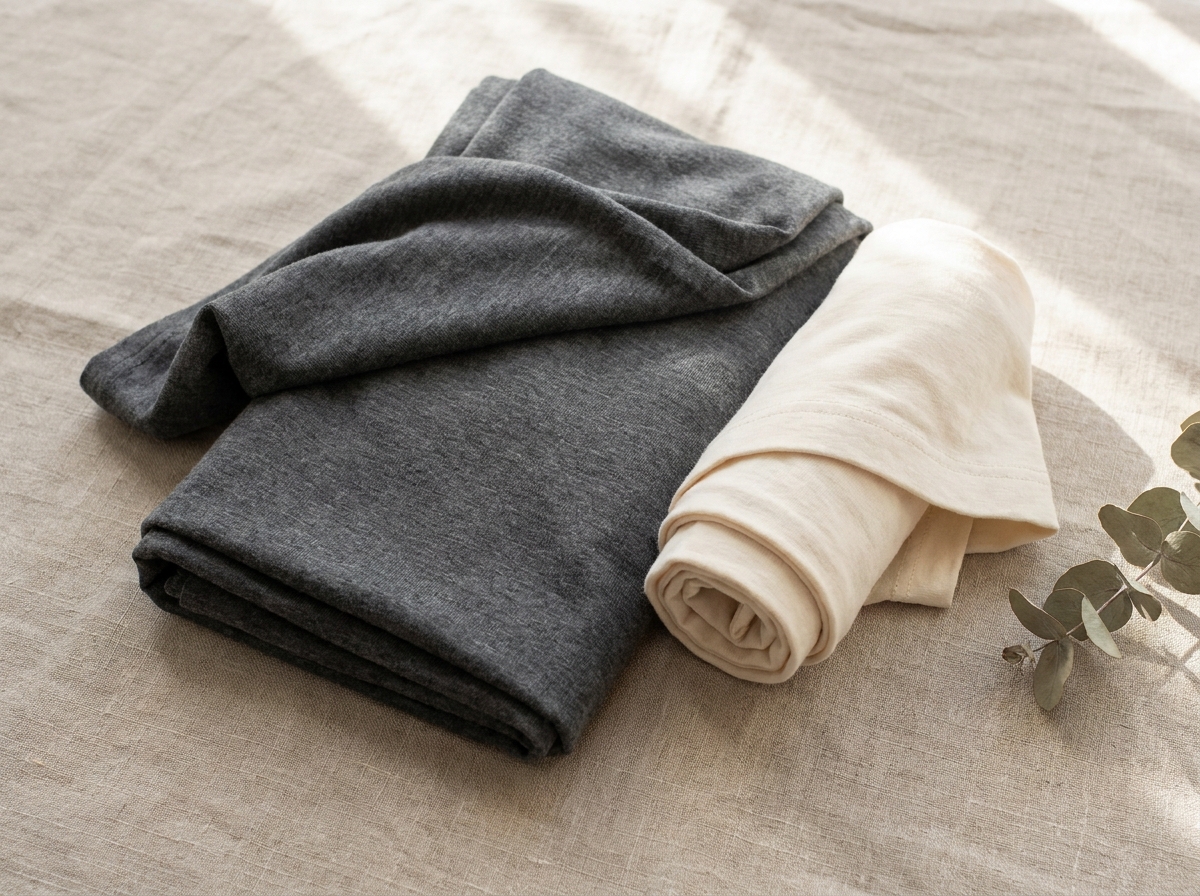
Jersey is the easy one. It has a gentle stretch, so it grips your head and grips itself, which means it tends to stay put without a single pin. You can pull it on, do a quick wrap, and walk out the door. The tradeoff is warmth: that same stretchy knit traps heat, so a jersey that feels cozy in October can feel stuffy in July. It is also a slightly heavier look, less floaty and more structured, which some people love and some find a little sporty.
Modal sits in the middle and is the quiet favorite of a lot of long-term hijab wearers. It is light, very soft, and drapes close to the head without the bulk of jersey. It usually photographs and sits more elegantly than jersey while still being low maintenance. The honest catch is that modal is smooth, so it holds its exact placement best when you wear a snug under-scarf or cap underneath. Without that grip it can creep a little.
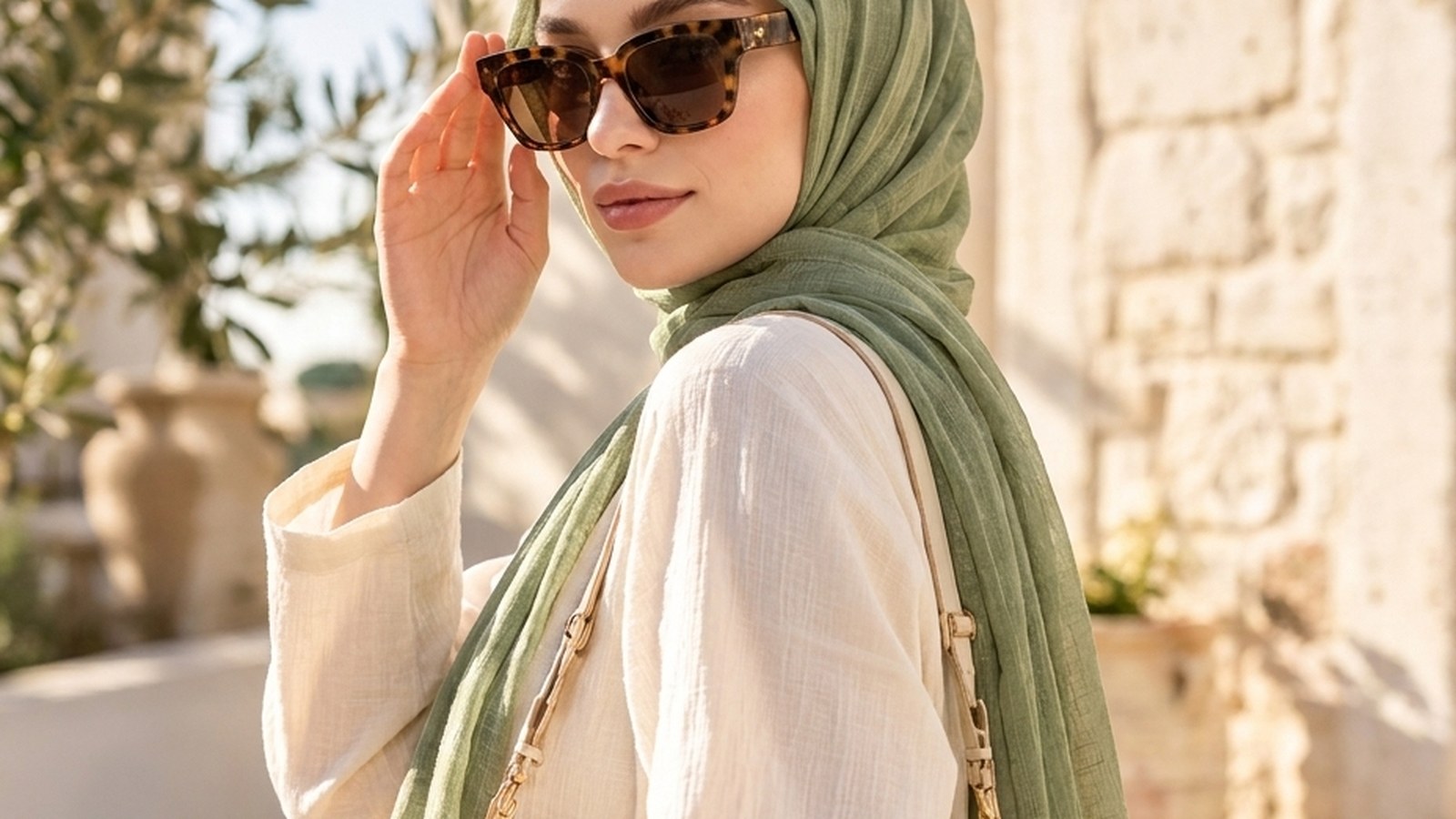
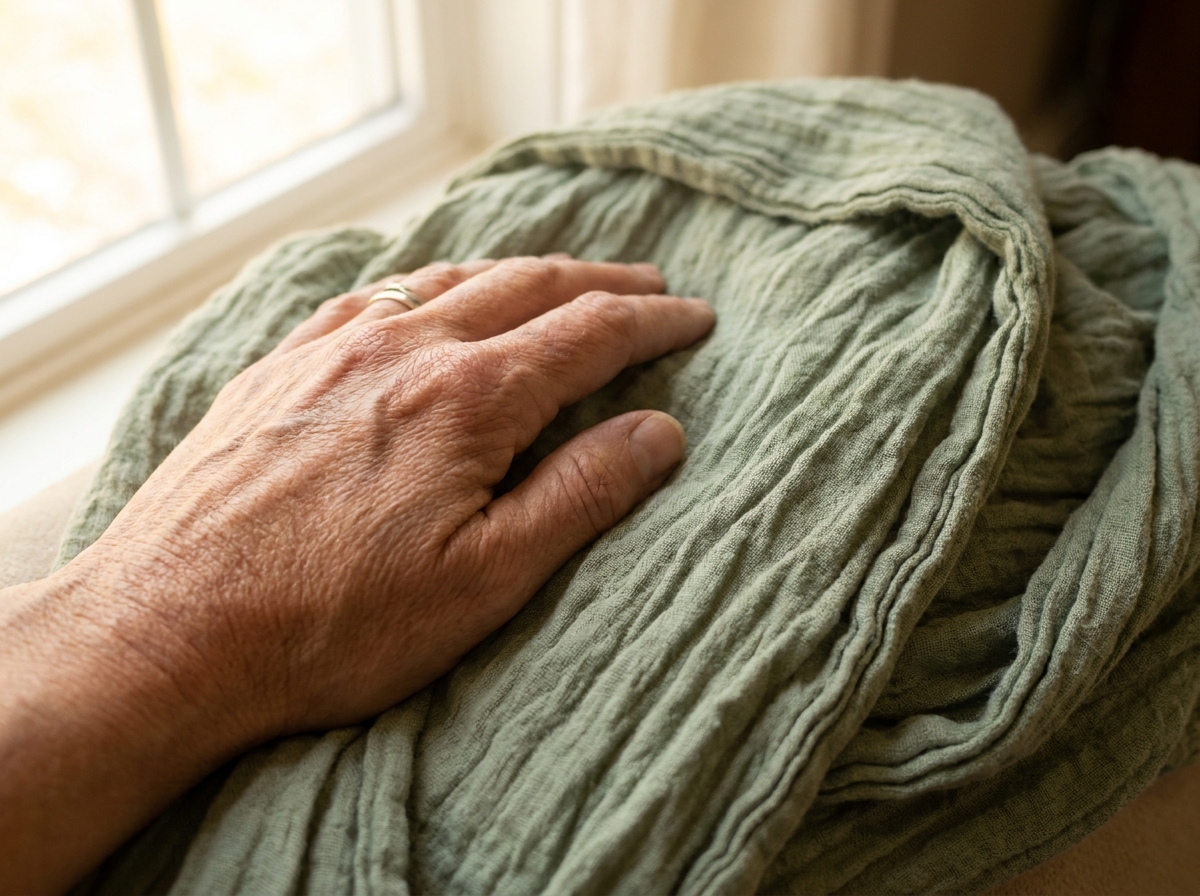
Lightweight cotton and crushed-cotton are the breathable, natural-fiber option. They let air move, they feel cool against the skin, and crushed or crinkle cotton has a textured surface that actually grips better than smooth fabrics, so it needs fewer pins and almost never needs ironing. The honest tradeoff is coverage: a genuinely lightweight, airy cotton is thinner by nature, so very pale colors can read slightly sheer in bright light. The fix is simple (double the wrap or wear an under-scarf), and we cover it in detail below. BanuStyle's everyday hijab leans into this breathable crushed-cotton feel, which is why it suits long, warm days, but it is worth being clear-eyed: airy and fully opaque are not the same thing, and a thin fabric gives its best coverage when wrapped or layered rather than worn in a single sheer pass.
If you are choosing just one fabric to start with, jersey is the most beginner-proof. If you want something that breathes and looks a little more refined, a lightweight cotton or modal is the better long-term pick.
What is the best hijab fabric for summer and hot weather?
For summer, you want natural, loosely woven, light-colored fabrics: cotton, crushed-cotton, linen, modal, and lightweight chiffon. The principle is simple. In heat you want air to move through the fabric instead of getting trapped against your scalp, so breathability matters far more than how pretty the drape is.
Cotton and crushed-cotton are the honest workhorses here. Natural cotton fibers let air flow and absorb a little moisture, so they feel cooler for longer than a synthetic that sits flat against your skin. Crushed-cotton has the bonus of that textured surface, so it grips without pins and does not wilt into a creased mess by the afternoon.
Linen is wonderfully breathable thanks to its slightly open weave, and it has a relaxed, textured look. The honest tradeoff is that linen creases readily, so if you want a crisp look you will be fighting it, while if you like a lived-in, soft drape it is lovely.
Modal and bamboo-based fabrics are soft, breathable, and good at moving moisture, which is why a lot of people reach for them in warm climates. They feel light and gentle and do not cling.
Lightweight chiffon is the airiest of all and barely registers on your head, which is why it is a classic for hot formal events. But chiffon is slippery and often slightly sheer, so it is a styling-effort fabric, not a grab-and-go one.
Two small truths that matter more than the fabric name: choose lighter colors in summer, because pale shades reflect heat while dark ones absorb it, and pick fabrics that breathe over anything heavily coated or shiny. A thin synthetic can feel just as hot as a thick knit if air cannot pass through it.
Honest summer skip list: skip heavy jersey, skip thick wool or pashmina obviously, and skip anything with a dense, non-breathable finish if you will be outdoors for long.
What is the best hijab fabric for winter and cold weather?
For winter, warmth comes from thickness and insulating fibers, so the best choices are wool and wool blends, pashmina, cashmere, heavyweight jersey, and fleece for genuinely cold conditions. These trap body heat the way summer fabrics are designed not to.
Wool and wool blends are the classic cold-weather answer because they insulate well for their weight. A blend is usually more practical than pure wool because it is easier to care for and less likely to feel scratchy. Pashmina and cashmere are the soft, luxurious end of warm: thick enough to hold heat, light enough that you do not overheat indoors, and they drape beautifully. Heavyweight jersey is the easy middle option, warm and stretchy and great for layering, and it still needs no pins. Fleece is the heavy-duty choice for harsh cold and outdoor days, less about elegance and more about not freezing.
The honest tradeoff with winter fabrics is bulk and maintenance. Thicker scarves are warmer but harder to style into a neat close wrap, and the natural-fiber warm ones (wool, cashmere) usually want gentler washing than a cotton you can toss in the machine. A nice middle path for most winters is a soft modal or a medium-weight knit layered over a warm under-scarf, which gives warmth without the full bulk of pashmina.
Why does my hijab keep slipping, and how do I stop it?
A hijab slips for three reasons that usually stack together: the fabric is too smooth to grip, there is nothing textured underneath for it to hold onto, and it was wrapped a little too loosely to begin with. Fix any one of those and it improves. Fix all three and it stays put all day.
Here is what actually works, in rough order of impact.
Wear an under-scarf or cap. This is the single biggest fix. Smooth hair, especially fine or freshly washed hair, gives a scarf almost nothing to hold onto. A snug cotton or jersey under-cap creates a slightly rough, grippy surface, and the outer scarf holds to that far better than it ever holds to hair. If you only change one thing, change this.
Choose a grippier fabric. Smooth, silky fabrics (chiffon, satin, smooth modal) are the biggest slippers. Jersey grips because it is a stretchy knit, and crushed or crinkle cotton grips because of its texture. If you are constantly re-adjusting a slippery scarf, switching to jersey or crinkle cotton can quietly solve the problem on its own.
Add a grip band if you need one. A thin silicone or velvet no-slip band along the hairline gives the fabric a surface it physically cannot slide over. Many people find this is the difference-maker for very smooth fabrics or very fine hair.
Set it once, firmly, and leave it alone. This sounds too simple, but constant tugging and re-tucking is often what works a scarf loose in the first place. Wrap it a touch more snugly than feels necessary, pin or tuck it, and resist fiddling.
Honest note: no fabric is magic. Even jersey will slide if you wear it over slippery hair with no cap and set it loosely. The under-scarf plus a grippier fabric is the reliable combination.
How do I stop my hijab being see-through?
If a scarf reads see-through, you have three honest fixes: double the wrap so the fabric passes over your head twice, wear an opaque under-scarf underneath, or choose a naturally denser fabric. Sheerness is mostly about how light passes through the weave, so adding a second layer solves it almost every time.
Double-wrapping is the quickest fix and costs nothing. Bringing the long side back around for a second pass doubles the fabric across your head, and even a light solid color usually reads opaque once it is doubled. A matching under-scarf or cap does the same job and also covers your hairline and neck, which is why a lot of people wear one by default under lighter fabrics.
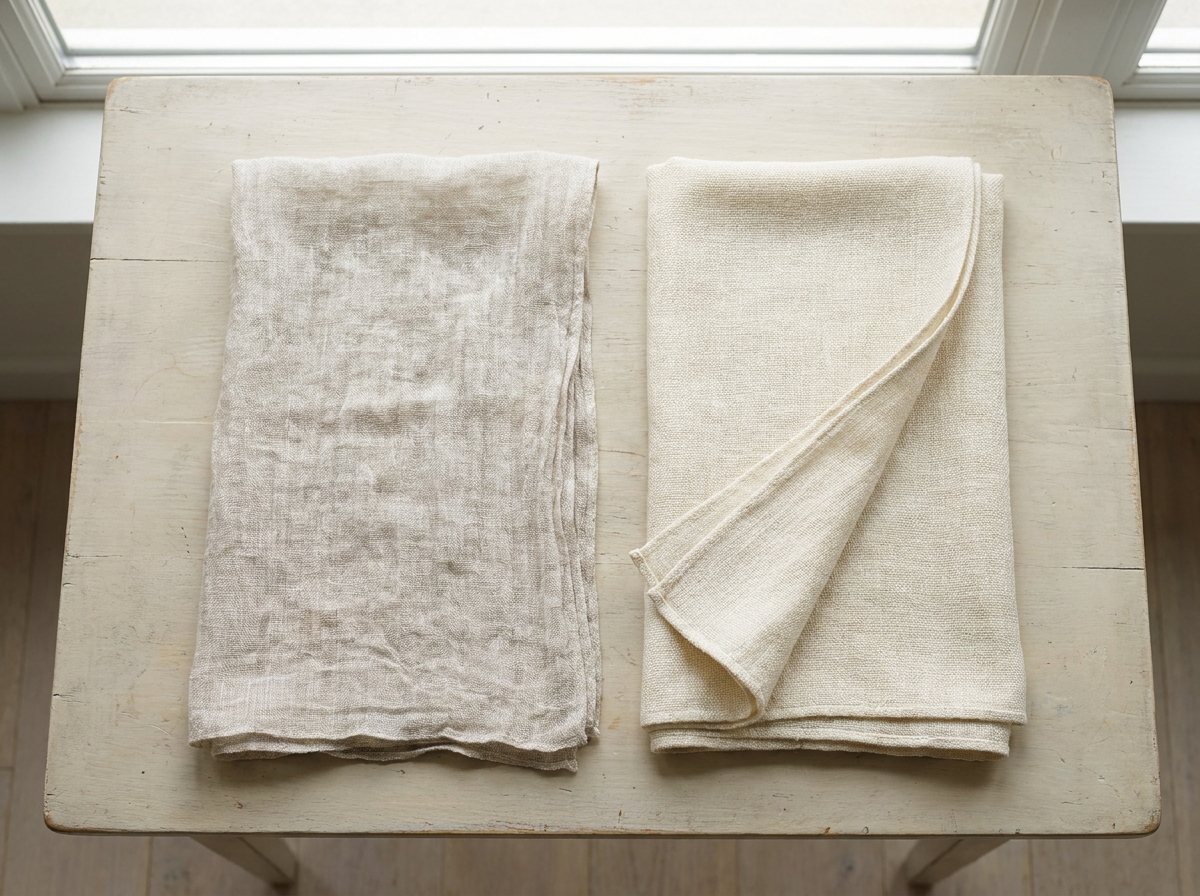
On fabric choice, be realistic about which scarves need layering. Lighter chiffons are the usual sheerness culprits and almost always look best layered. Jersey, modal, and medium-weight cotton are generally opaque enough to wear on their own. Very lightweight and crushed-cotton scarves fall in between: they are breathable and airy by design, which is exactly why they are comfortable in heat, but that same lightness means pale shades can read a little sheer in strong light. This is not a flaw, it is the tradeoff of a breathable fabric, and it is fully solved by doubling the wrap or adding an under-scarf. Darker and mid-tone colors naturally read more opaque than whites and pastels in any fabric.
The honest version: do not expect a thin, airy scarf to be a single-layer blackout fabric, and do not expect a fully opaque heavy fabric to breathe like gauze. Pick the fabric for how it feels, and use layering to control coverage.
Which hijab fabric does not wrinkle?
The lowest-maintenance, least-wrinkly fabrics are jersey, modal, crinkle or crushed-cotton, and textured chiffon or crepe. These either resist creasing or are textured enough that creases simply do not show.
Jersey is close to iron-free. It is a knit, so it springs back rather than holding sharp creases, and you can genuinely pull it from a drawer and wear it. Modal resists wrinkles well and holds its shape in a packed bag, which makes it a favorite for travel and for prayer on the go. Crinkle and crushed-cotton are the clever ones: the fabric is intentionally textured, so there is no smooth surface for a crease to form on, which means no ironing and easy packing. Textured chiffon and crepe behave the same way, with enough surface texture to survive a suitcase.
The fabrics that do crease and want attention are smooth cotton, linen, and satin. Linen in particular will crease no matter what, so only buy it if you like that relaxed look. If you hate ironing, build your rotation around jersey, modal, and crinkle cotton and you will rarely touch an iron.
Square versus long (rectangle): which should you choose?
Neither is better, they just do different jobs. Long rectangular scarves are the all-purpose everyday choice because the extra length lets you wrap, drape over the shoulder, and get full coverage easily. Square scarves are brilliant for a neat, close, framed style around the face and for a more classic or polished look, and they are often quicker for a simple wrap.
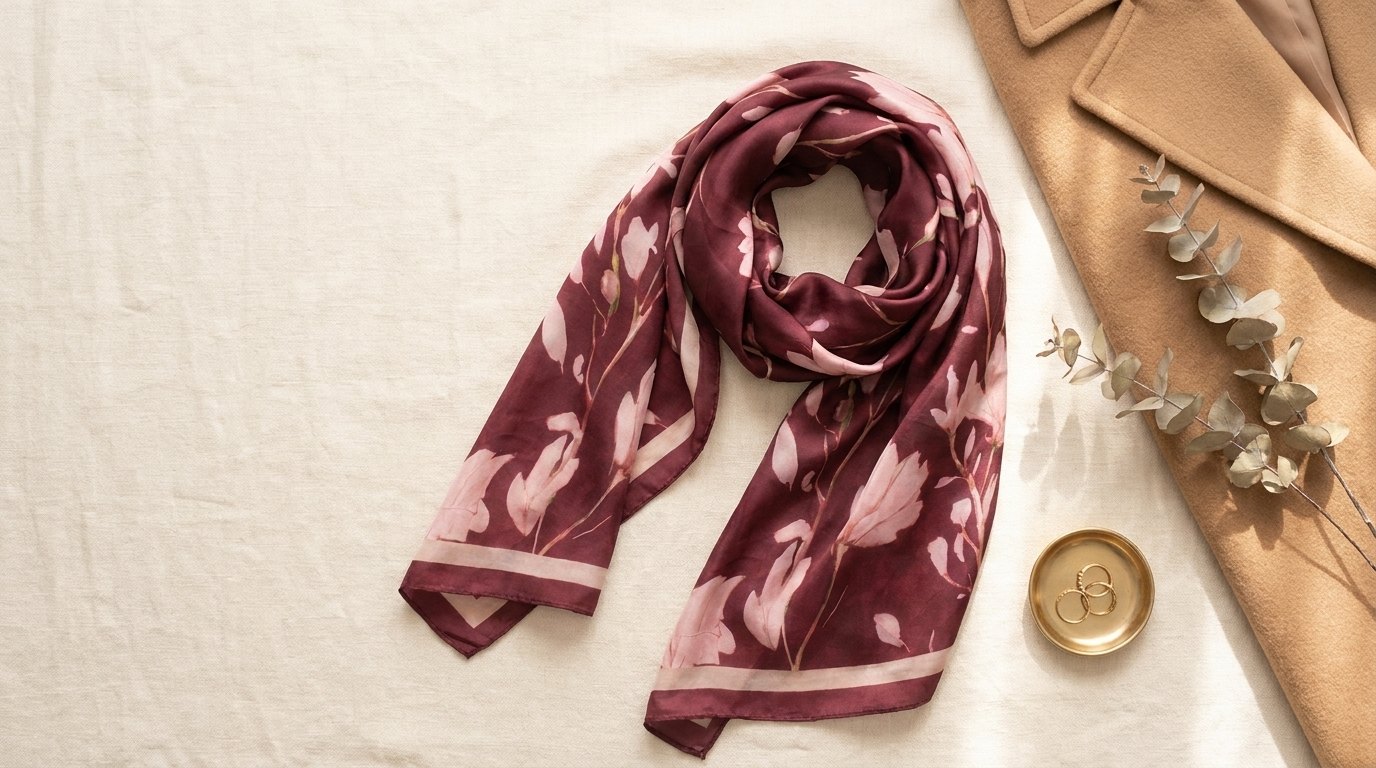
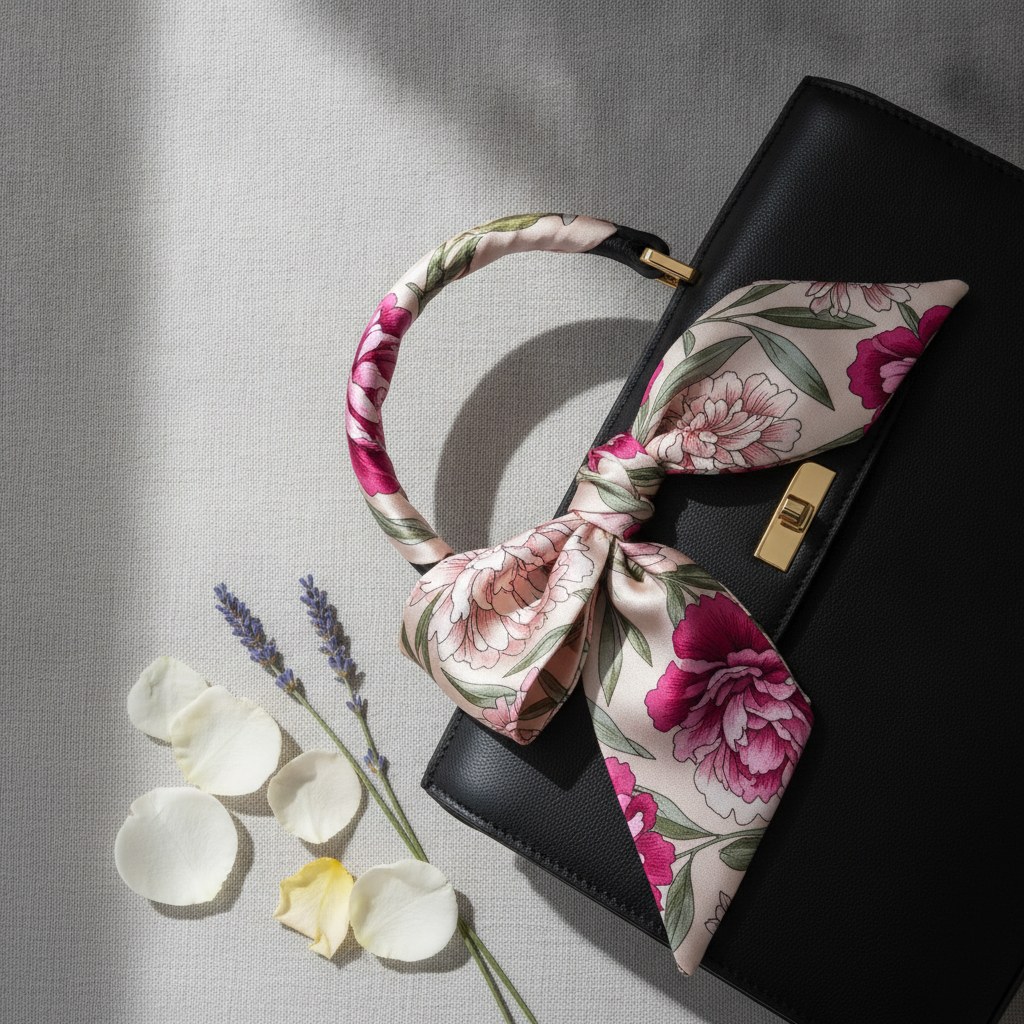
If you are new, start with a long rectangle in jersey or crinkle cotton, because the length is forgiving and gives you the most styling room while you learn. Add a square scarf once you know your preferred look, especially if you like a tidy face-frame or a more structured, elegant style. Smaller square satin scarves (sometimes called Twilly scarves) are a different category again: they are more of an accent, lovely tied onto a bag, around the neck, or into a hairstyle, rather than a full-coverage hijab. It is worth knowing the difference so you buy the right thing for the look you actually want.
Fabric comparison at a glance
Use this as a quick reference. Every fabric is good at something, so match the fabric to the day rather than hunting for one perfect scarf.
Jersey — how it feels: Soft, stretchy, slightly structured; coverage (honest): Opaque on its own; best for: Everyday, beginners, no-pin wrapping, layering in cold; watch out for: Warm in summer; a sportier, heavier look.
Lightweight cotton — how it feels: Crisp, natural, breathable; coverage (honest): Opaque in mid and dark tones; pale shades best doubled; best for: Everyday, warm weather, all-day comfort; watch out for: Smooth cotton creases and may need ironing.
Crushed / crinkle cotton — how it feels: Textured, airy, relaxed; coverage (honest): Good when wrapped or doubled; airy by design; best for: Summer, travel, grip without pins, no-iron days; watch out for: Thin by nature, so pale colors can read slightly sheer single-layer.
Modal — how it feels: Very soft, light, close drape; coverage (honest): Generally opaque; best for: Everyday, travel, polished but low effort; watch out for: Smooth surface creeps without an under-scarf.
Chiffon — how it feels: Floaty, delicate, elegant; coverage (honest): Often sheer, layer it; best for: Formal events, hot-weather dressy looks; watch out for: Slippery and sheer; needs pins and layering.
Satin / silk-feel — how it feels: Smooth, glossy, luxe; coverage (honest): Opaque but very slippery; best for: Evening and special occasion, accent styling; watch out for: Slides constantly; dressy, not grab-and-go.
Wool / pashmina / cashmere — how it feels: Thick, warm, soft; coverage (honest): Fully opaque; best for: Winter, cold outdoors, cozy layering; watch out for: Bulky to style; gentler washing needed.
How do I wash and care for my hijabs?
As a rule, hand wash delicate and smooth fabrics in cool water with a mild detergent, machine wash sturdy fabrics like cotton and polyester on a cold gentle cycle inside a mesh bag, and air dry everything. The dryer is the thing that quietly destroys scarves, so keeping them out of it is the highest-value habit.
For delicate fabrics (chiffon, satin, silk-feel, fine modal), hand washing is safest. Fill a basin with cool to lukewarm water, add a small amount of gentle detergent, swish the scarf through gently, and let it soak a few minutes if it needs refreshing. Do not scrub, twist, or wring, especially with modal, because that is what causes stretching and damage. Rinse in clean cool water and press the water out rather than wringing.
For durable fabrics (cotton, crushed-cotton, jersey, polyester blends), a cold gentle machine cycle inside a mesh laundry bag is usually fine and much more convenient. The mesh bag stops tangling, snagging, and pilling. Use mild detergent and skip fabric softener on textured fabrics, since it can coat and flatten them.
For drying and storing: never tumble dry, because heat causes shrinkage, thread pulls, and pilling across almost every hijab fabric. Lay flat or hang to dry out of direct harsh sun. Hang or roll smooth fabrics to avoid creasing, and simply fold crinkle and crushed-cotton, which do not need careful handling. Wash hijabs separately or with like colors the first few times, because richer dyes can bleed.
One honest extra: hot water and over-soaping are the two most common ways people fade and stiffen their scarves. Cool water and a small amount of detergent keep colors and softness far longer than any special product.
A gentle note on finding your rotation
The quiet truth behind every honest fabric answer is that you will probably love two or three, not one. A breathable crushed-cotton or modal for ordinary days, a soft jersey for mornings when you have no time to fuss, and something lovely like chiffon or a satin square for when you are dressing up. If you want to feel the differences in your hands and build that little rotation, BanuStyle's scarves and hijabs are a calm place to start, from everyday crushed-cotton and square scarves to satin Twilly accents. Take your time, feel the fabric, and choose for the days you actually live.